Digital Transformation Trends 2026–2030: What Should Businesses Prepare to Stay Ahead?

In recent years, digital transformation has evolved from a long-term strategic option into a critical factor determining a company’s competitive advantage. Following a period of rapid acceleration from 2020 to 2025, digital transformation trends for 2026–2030 are expected to enter a deeper and more expansive phase—where technology not only supports operations but becomes the core foundation of businesses.
In this context, companies must go beyond simply “adopting technology” and instead fundamentally restructure how they operate, make decisions, and create value. In this article, UpBase highlights six key digital transformation trends for 2026–2030, showcases selected success stories, and offers practical recommendations to help businesses prepare and adapt effectively.
According to McKinsey’s analysis, the core technologies that will continue to drive digital transformation in this period include AI (especially generative AI), multi-cloud and hybrid cloud computing, the Internet of Things (IoT) and 5G, automation (RPA and robotics), big data and advanced analytics, low-code/no-code platforms, and advanced cybersecurity.
6 Digital Transformation Trends Shaping 2026–2030
1. Artificial Intelligence (AI) Becomes the Core of Digital Transformation
In the 2026–2030 period, Artificial Intelligence (AI) is expected to play a central and pervasive role across all digital transformation activities in businesses and the broader economy. According to reports by McKinsey & Company, AI is no longer just a supporting technology—it is becoming an “intelligence layer” that enables automation, optimization, and the restructuring of entire operating models.
One of the key drivers behind this shift is the rapid rise of Generative AI, with leading systems developed by organizations such as OpenAI and Google. This technology not only expands the scope of AI applications but also fundamentally changes how businesses create value.
Specifically, Generative AI can:
- Generate multi-format content (text, images, videos, code, reports)
- Support decision-making through large-scale data analysis
- Significantly shorten product development and creative cycles
According to McKinsey estimates, Generative AI could contribute between $2.6 trillion and $4.4 trillion annually to the global economy, primarily by enhancing productivity, optimizing operational costs, and enabling new business models.
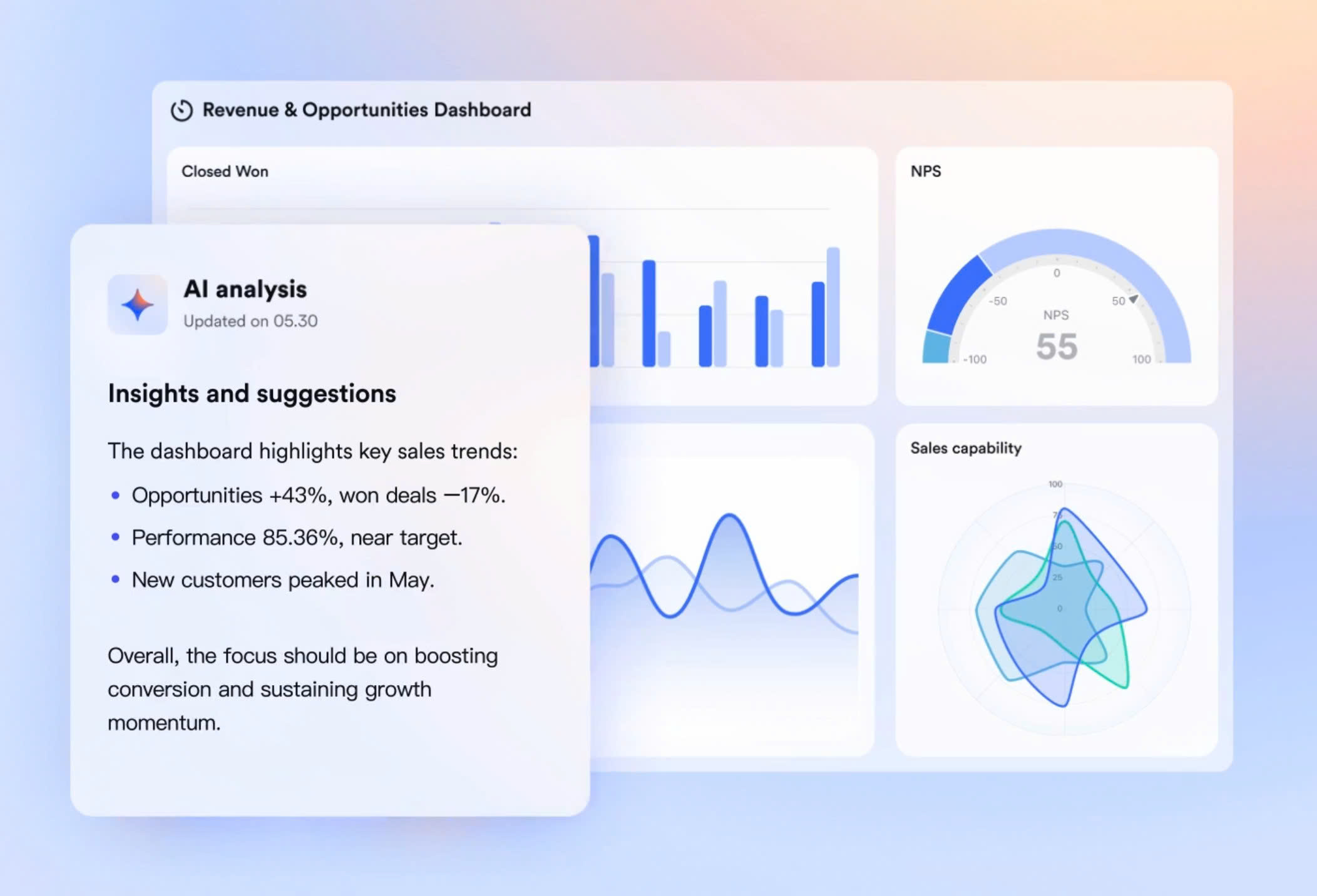
At the enterprise level, AI is reshaping how organizations operate. Major technology companies such as Amazon and Microsoft have integrated AI across nearly their entire product ecosystems—from cloud infrastructure to enterprise applications. This trend reflects a shift from “digitized” to “intelligent” models, where AI acts as the “brain” orchestrating operations:
- Marketing & sales: personalizing customer experiences through recommendation systems
- Operations: forecasting demand and optimizing supply chains
- Finance: fraud detection and credit scoring
- Human resources: supporting recruitment and performance evaluation
In addition, the combination of AI and Robotic Process Automation (RPA) is driving the rise of hyperautomation, enabling the automation of not only repetitive tasks but also complex, decision-based processes.
Overall, AI is evolving from a standalone technology into the central platform of digital transformation—driving innovation, improving efficiency, and creating sustainable competitive advantages. In this context, the ability to effectively leverage and apply AI will become a key differentiator for businesses aiming to break through in the 2026–2030 period.
You may also be interested in: The Role of AI in Digital Transformation: Practical Applications in Business
2. Cloud Computing as the Core Infrastructure
Cloud computing is considered the foundational infrastructure of digital transformation, providing scalable computing power, storage, and application deployment in a flexible and cost-efficient way. It is no longer just a technology option, but a prerequisite for businesses to implement digital initiatives such as AI, big data, and IoT.
Globally, businesses are shifting from traditional on-premise IT infrastructure to a cloud-first approach, where cloud becomes the default platform for deployment. At the same time, the hybrid cloud model—combining public and private cloud—is becoming increasingly popular, enabling organizations to maintain operational flexibility while retaining control over sensitive data and optimizing infrastructure costs.
%20l%C3%A0%20g%C3%AC%20Hi%E1%BB%83u%20%C4%91%C3%BAng%20v%E1%BB%81%20chuy%E1%BB%83n%20%C4%91%E1%BB%95i%20s%E1%BB%91%20(2).png)
Cloud acts as the “backbone” for other technologies, particularly AI and data analytics:
- Providing large-scale data processing infrastructure (big data processing)
- Supporting the deployment and training of AI models
- Integrating built-in analytics and machine learning services
The combination of Cloud – Data – AI forms a unified technology ecosystem that enables businesses to shorten implementation time and accelerate innovation.
Compared to traditional infrastructure, cloud computing offers clear economic advantages—most notably its flexible pay-as-you-go pricing model, which allows businesses to pay only for the resources they actually use. This significantly reduces upfront capital expenditure (CAPEX) while enhancing scalability based on demand. These benefits are especially important for small and medium-sized enterprises (SMEs) and startups, enabling them to access and deploy advanced technologies without heavy investment in IT infrastructure.
3. Internet of Things (IoT) and 5G Technology
In the 2026–2030 period, the Internet of Things (IoT), combined with 5G technology, is considered a core connectivity foundation of digital transformation—enabling real-time connections among billions of devices, sensors, and systems. The advancement of these technologies is driving the shift from a digitized environment to a connected ecosystem, where data is continuously collected, transmitted, and processed.
IoT enables physical devices (machines, vehicles, home appliances, sensors, etc.) to connect to the internet, allowing businesses to:
- Collect real-time data
- Monitor and control systems remotely
- Optimize operations based on data insights

The development of 5G technology plays a critical role in scaling and enhancing the effectiveness of IoT deployment. Compared to previous network generations, 5G offers significantly higher data speeds, ultra-low latency, and the ability to connect millions of devices per square kilometer—providing a strong foundation for applications that require real-time processing and large-scale connectivity.
4. Customer Experience (CX) and Big Data
Among digital transformation trends, data is considered the “new asset” of businesses in the digital era. Organizations that succeed in the future will be those that make data-driven decisions rather than relying on intuition. Big Data enables businesses to collect and analyze massive volumes of data from multiple sources:
- User behavior on websites/apps
- Purchase history
- Social media interactions
- Data from IoT devices
As a result, businesses can gain deeper insights into customer needs, preferences, and behaviors, segment customers more accurately, predict consumption trends, and identify new business opportunities.
By leveraging data and Artificial Intelligence (AI), businesses can also deliver personalized experiences at scale:
- Recommending relevant products/services
- Tailoring marketing content to individual customers
- Optimizing the customer journey
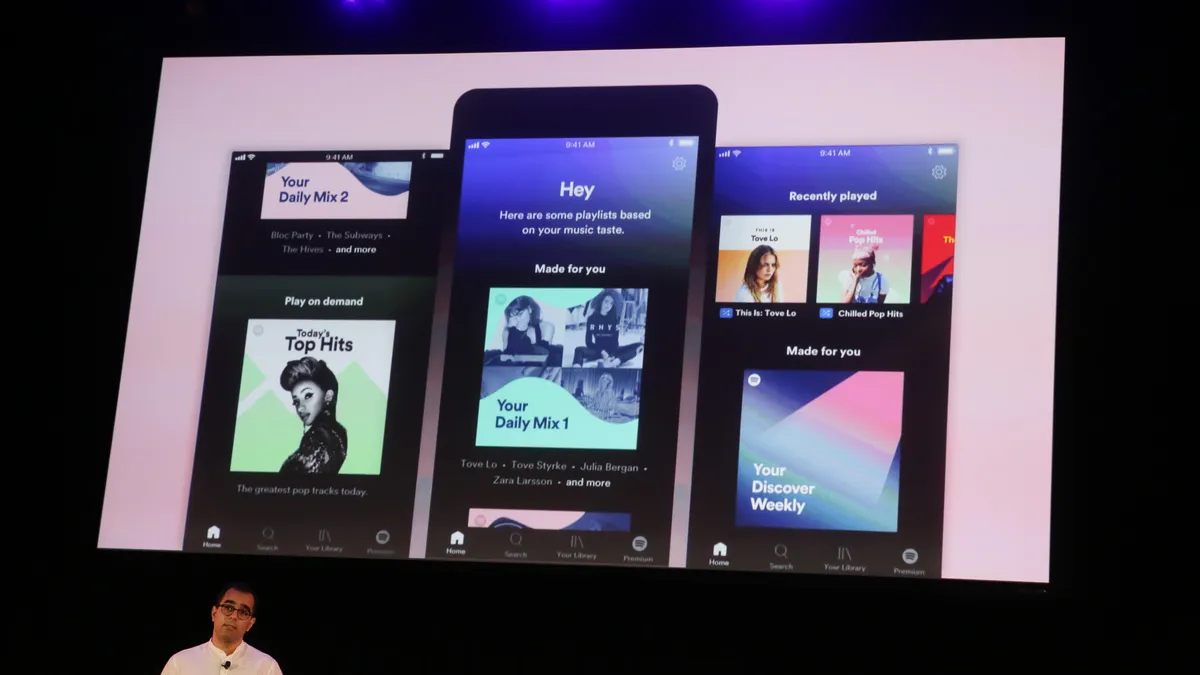
Customer experience and big data are becoming strategic competitive advantages in the digital era. Businesses that effectively leverage data to better understand and serve their customers will be well-positioned to lead digital transformation trends, create superior value, and sustain long-term growth in the 2026–2030 period.
5. Low-Code and No-Code Platforms
Low-code and no-code are software development approaches that enable businesses to build applications quickly without requiring deep programming expertise.
- Low-code: allows application development with minimal coding, combining drag-and-drop interfaces with some technical customization
- No-code: enables application development without any coding
Low-code and no-code platforms typically offer intuitive, visual interfaces that allow users to build applications through drag-and-drop tools, along with pre-built components to shorten development time. They also support flexible integration with other systems such as APIs, databases, and cloud platforms.
This is particularly important in fast-changing business environments, where speed of deployment is a key competitive advantage.
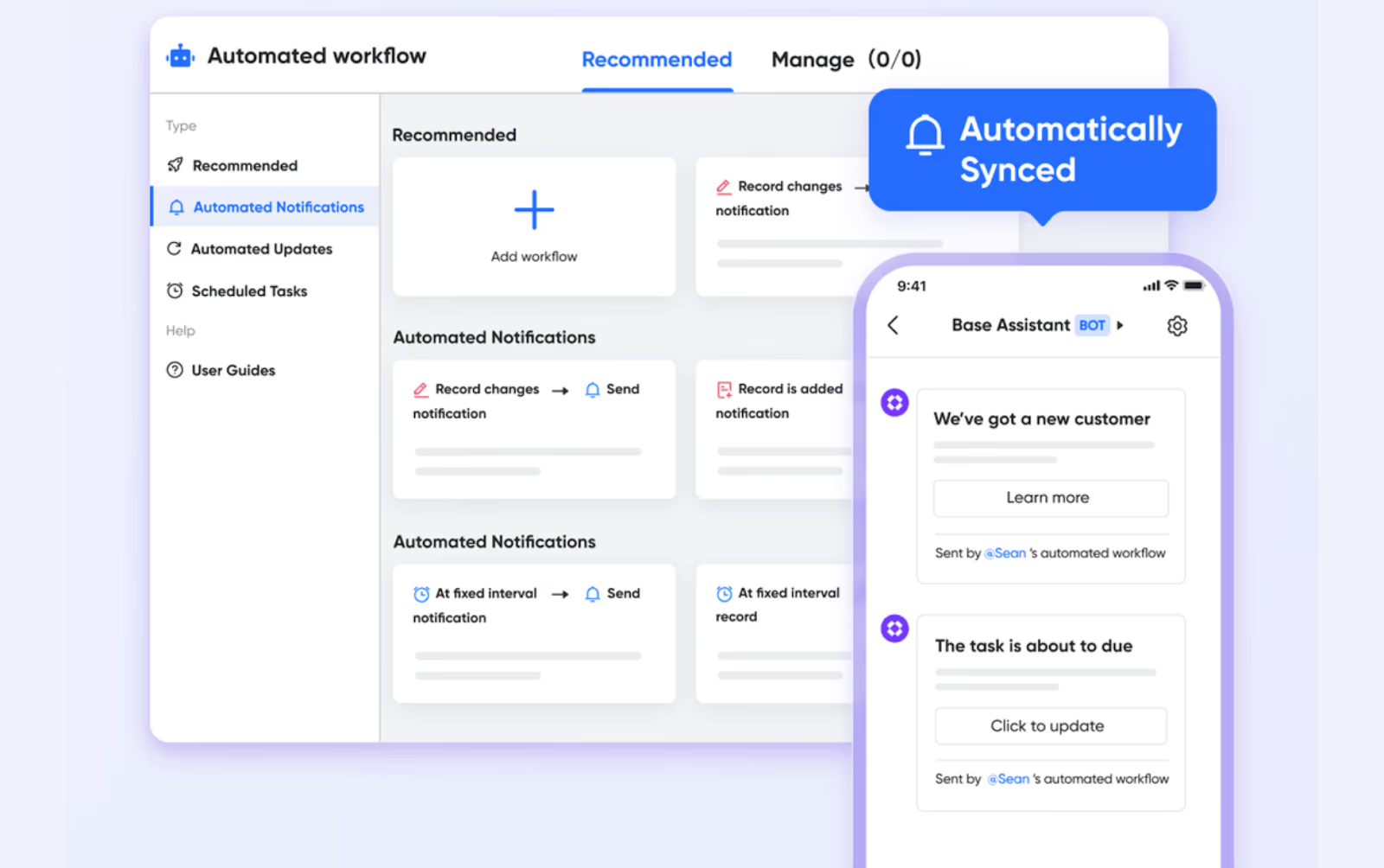
One of the major shifts is empowering non-technical departments (such as marketing, operations, HR, etc.) to build their own tools for work:
- Creating data dashboards
- Building internal workflows
- Automating simple processes
This digital transformation trend significantly reduces the burden on IT departments while increasing organizational agility and fostering internal innovation, as teams can proactively develop and improve tools tailored to their specific needs.
6. Cybersecurity as a Top Priority
As digital transformation continues to accelerate and data becomes a critical business asset, cybersecurity has emerged as a top priority in digital transformation strategies. With data, systems, and business operations becoming increasingly digitized and interconnected, the risks of cyberattacks, data breaches, and system disruptions are rising significantly. As cyber threats grow more sophisticated, businesses are required to invest in security solutions such as:
- Threat detection and prevention systems
- Zero Trust security models
- Cloud data protection
- Identity and access management
Cybersecurity is no longer an “afterthought” but is integrated from the very beginning of system development:
- DevSecOps (combining development, operations, and security)
- Continuous security testing
- Real-time system monitoring
This approach enables earlier detection and mitigation of risks, minimizing potential damage.
Strategic Directions to Adapt to Digital Transformation Trends
As technologies such as AI, cloud, IoT, Big Data, and automation continue to evolve rapidly, businesses need to establish clear strategic directions to seize opportunities and maintain competitive advantages in the digital era.
(1) Build a Comprehensive Digital Transformation Strategy
Businesses should treat digital transformation as a long-term strategy aligned with business objectives, rather than a series of isolated technology implementations. Successful organizations typically have clear roadmaps, prioritize initiatives based on value, and link digital KPIs to business performance.
(2) Invest in Data and Analytics Capabilities
Data should be treated as a strategic asset. Companies need to build robust data infrastructure (such as data platforms and data warehouses), while developing analytics and AI capabilities and adopting data-driven decision-making models. These elements improve decision quality and enable more effective personalization of customer experiences.
(3) Prioritize Flexible Technology Infrastructure (Cloud & API)
Adopting cloud computing and open architectures (APIs) enhances operational flexibility, allowing businesses to scale on demand, accelerate time-to-market, and integrate seamlessly with other systems. Platforms such as Amazon Web Services and Microsoft Azure play a key role in supporting this strategy.
(4) Apply AI and Automation to Core Operations
Businesses should proactively leverage AI and automation to optimize operations, reduce costs, and enhance customer experience. AI adoption should go beyond isolated experiments and be deeply integrated into core processes to deliver sustainable impact and long-term competitive advantages.
(5) Develop a Digital-Ready Workforce
People are the decisive factor in digital transformation success. Organizations should invest in digital skills training, attract and retain tech talent, and foster a culture of innovation. The combination of human capabilities and technology (human + technology) will become a dominant model for improving performance and competitiveness.
(6) Strengthen Cybersecurity and Risk Management
Alongside digital transformation, businesses must invest in cybersecurity, build multi-layered security systems, and ensure compliance with data regulations. These efforts not only protect critical systems and information but also ensure operational stability and maintain brand trust in an increasingly complex digital environment.
(7) Adopt Agile Models and Foster Innovation
Companies should adopt agile operating models and a test-and-learn approach to accelerate innovation and adapt quickly to market changes. Leveraging low-code/no-code platforms can shorten development time, while collaborating with startups and technology partners opens access to new ideas and emerging technologies.
Accelerate Digital Transformation with UpBase x Lark
To implement digital transformation effectively, businesses need to choose technology platforms that are flexible, scalable, and easy to integrate with existing systems. One solution gaining increasing attention is UpBase x Lark—a digital management and collaboration ecosystem designed to optimize business operations. In this model, UpBase acts as the implementation partner, supporting businesses in designing, configuring, and operating systems on the Lark platform in a structured and practical way tailored to real needs.
By adopting Lark, businesses can build a centralized data infrastructure, digitize processes, and automate operations through low-code/no-code tools such as Lark Base, workflows, and forms. This enables a data-driven management model, while reducing the burden on IT teams and increasing organizational agility. In addition, Lark’s integrated collaboration ecosystem (chat, meetings, docs) enhances productivity—especially in flexible and distributed work environments.
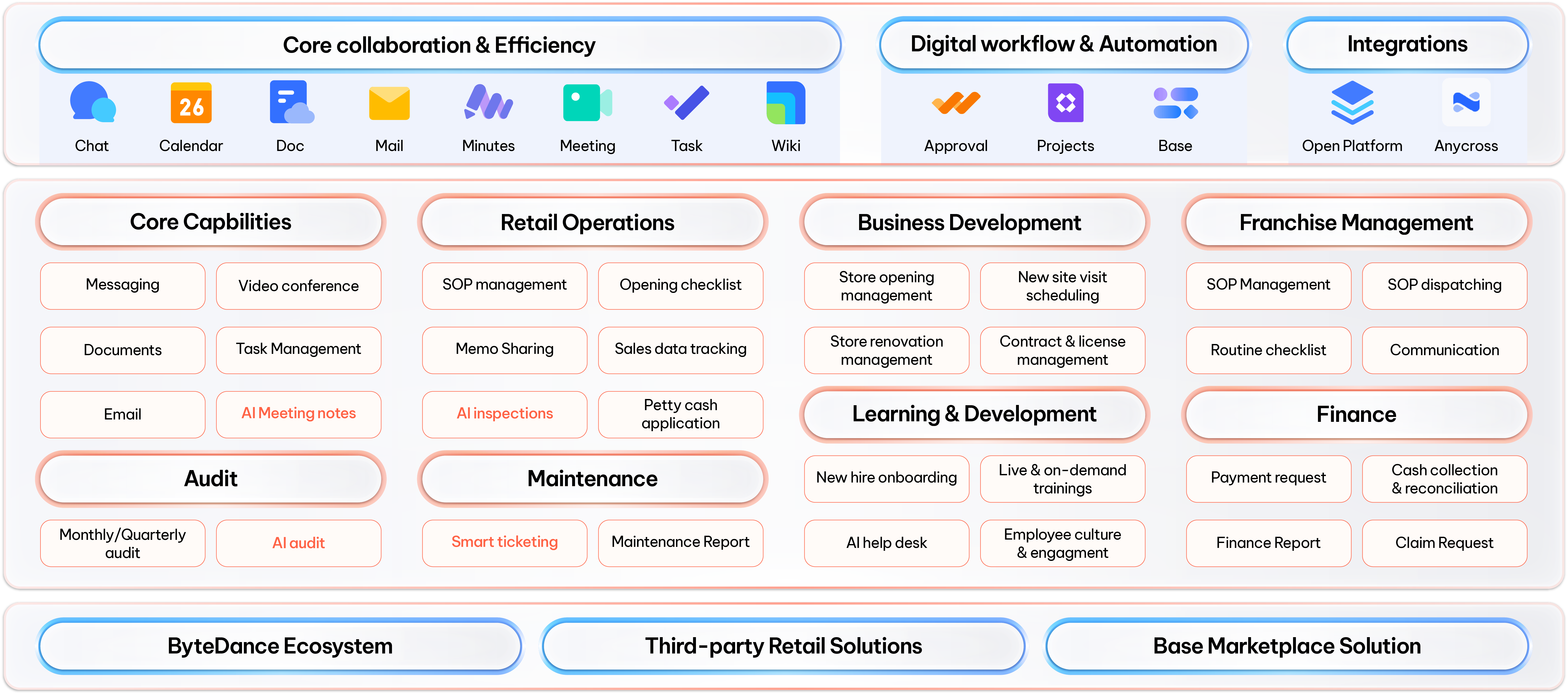
As a trusted partner, UpBase goes beyond tool implementation by providing training, process optimization, and operational model design—helping businesses fully maximize the value of the platform. Start your digital transformation journey with UpBase x Lark today!
FAQs
.jpg)


.svg)

.svg)