What is Digital Transformation (DX) & Why It Matters

In recent years, “digital transformation” has become one of the most widely discussed buzzwords in business, management, and national policy. However, in practice, many organizations still misunderstand its true nature. A significant number of companies assume that digital transformation simply means adopting new software, digitizing data, or implementing systems such as ERP.
In reality, digital transformation goes far beyond that. It is not merely about technology, but about fundamentally changing how a business creates value.
In this article, UpBase will clarify the concept of digital transformation, distinguish it from digitization, digitalization and explore its true essence in modern enterprises—along with the reasons why it has become an inevitable trend.
1. What is Digital Transformation?
Digital Transformation (DX) is the process by which businesses leverage digital technologies to fundamentally restructure their business models, operational processes, and customer experiences. The goal goes beyond simple “digitization”—it is about creating new value and building sustainable competitive advantages in the digital economy.
A key point to understand is that: digital transformation is not merely about adopting new technologies; it is about changing how a business operates through technology.
In traditional models, technology often plays a supporting role—helping optimize specific tasks or functions. In a digital model, however, technology becomes the core infrastructure of the business. This leads to a fundamental shift:
Businesses no longer simply “use technology”—they operate as tech-driven companies.
A well-known example is Amazon. Initially, Amazon was just an online bookstore, operating similarly to many other e-commerce platforms. However, rather than stopping at digitizing its sales channel, Amazon gradually restructured its entire business model around technology and data. The company invested heavily in intelligent logistics systems, applied AI to personalize customer experiences, and developed Amazon Web Services (AWS) as a cloud infrastructure platform serving the global market. In addition, Amazon expanded into a marketplace model, enabling third-party sellers to participate and creating a comprehensive digital ecosystem. As a result, Amazon is no longer just an online retailer—it has evolved into a data-driven technology company, clearly illustrating the true essence of digital transformation.

Another prominent example is Netflix. Initially operating as a DVD-by-mail rental service, Netflix did not stop at digitizing its offering. Instead, it transformed into a data-driven streaming platform. The company leveraged cloud computing to scale rapidly, used data analytics to personalize content and build a loyal customer base, and shifted its business model to a subscription-based approach. At the same time, by optimizing user experience and automating operations, Netflix has not only improved content distribution efficiency but also redefined how content is produced and consumed in the digital era.

Many businesses assume that digital transformation simply means implementing new software or tools. However, in most cases, they are only operating at the level of digitization rather than achieving true digital transformation. Therefore, to fully understand and implement it effectively, it is essential to clearly distinguish between the different stages of digital transformation.
2. The Three Levels of Digital Transformation: Digitization, Digitalization, and Digital Transformation
These three levels are not separate stages, but rather represent the maturity of how businesses adopt and leverage technology—from basic to strategic.
2.1 Digitization – Converting Data into Digital Form
This is the most fundamental level. Simply put, digitization is the process of converting information from physical (analog) formats into digital formats.
Examples:
- Storing contracts as PDF files
- Converting paper records into databases
- Managing customer data through a CRM system
Digitization helps businesses reduce reliance on paper, optimize storage, and improve the speed and accuracy of data retrieval. However, at this stage, operations remain largely unchanged—businesses are essentially “doing the same work with new tools,” where technology mainly supports data storage and management.
For example, an accounting firm that shifts from paper-based records to cloud storage can reduce storage costs, improve accessibility, and enhance management efficiency. However, the core way it operates remains the same.
2.2 Digitalization – Optimizing Processes
At this level, businesses begin to use technology to optimize, standardize, and automate operational processes. While digitization focuses on converting data, digitalization goes further by changing how work is performed.
Businesses start leveraging technology to improve and automate workflows.
Examples:
- CRM systems that automatically manage sales pipelines
- Marketing automation tools that send emails automatically
- ERP systems that manage supply chains
Digitalization reduces manual work, minimizes errors, and improves efficiency and processing speed. It also enables data-driven decision-making in real time.
However, at this stage, businesses are still optimizing existing processes rather than transforming their business model or creating new value through technology. In other words, they are “doing things better,” but not yet “doing things differently.”
For example, a retail company implementing an automated inventory management system can track stock levels in real time, reduce shortages, and improve supply chain efficiency. However, its core business model remains unchanged.
2.3 Digital Transformation – Reinventing the Business Model
This is the highest level, where businesses not only use technology to optimize processes but also fundamentally restructure how they operate and create value. At this stage, technology becomes the core driver that enables businesses to do things differently—not just better.
Examples:
- Building platform-based business models
- Personalizing customer experiences using data and AI
- Integrating end-to-end operations from front-end to back-end
Digital transformation enables businesses to deliver seamless, consistent customer experiences across multiple channels while unlocking new revenue streams and business models. This enhances their adaptability and competitiveness in a rapidly changing environment.
At this level, transformation goes beyond technology—it requires changes in mindset, strategy, and organizational culture. Technology is no longer just a supporting tool; it becomes the foundation that drives growth.
For example, a retail chain that goes beyond implementing management systems or automation may develop an omnichannel model, integrating customer data across online and offline touchpoints, personalizing the shopping journey, and optimizing the end-to-end experience. As a result, the business not only operates more efficiently but also creates entirely new value for its customers.
In practice, these levels of digital transformation are also reflected in the evolution of the technology platforms businesses use. As digital maturity increases, software systems shift from supporting tools to integrated platforms.
Learn more: Digital Transformation Software: Must-Have Features for Modern Businesses
3. The True Essence of Digital Transformation
Digital Transformation is not simply about adopting technology—it is a comprehensive process that reshapes how a business operates and creates value. This includes restructuring business models, workflows, and even transforming organizational mindset and culture.
In other words, digital transformation is not about “doing things better,” but about being willing to do things differently—even letting go of existing advantages to create new value in the digital landscape. To achieve this, businesses must balance four core elements: technology, processes, people, and data.
3.1 Technology as the Foundation of Digital Transformation
Technology acts as the key driver of digital transformation, with platforms such as cloud computing, IoT, Big Data, AI, and mobile technologies. However, what truly matters is not how many technologies are implemented, but how businesses leverage them to create competitive advantages.
For example, Techcombank follows a “cloud-first” strategy, migrating most of its infrastructure to the cloud to scale its customer base without significantly increasing operational costs. This demonstrates that technology is not just a tool, but a foundational infrastructure that seamlessly connects internal systems, customers, and partners in a flexible and efficient ecosystem.
3.2 Processes Must Be Redesigned, Not Just Digitized
A common mistake is that businesses simply “move processes onto systems” without changing how they actually operate. In reality, digital transformation only creates value when processes are fundamentally redesigned, rather than merely digitized in their existing form.
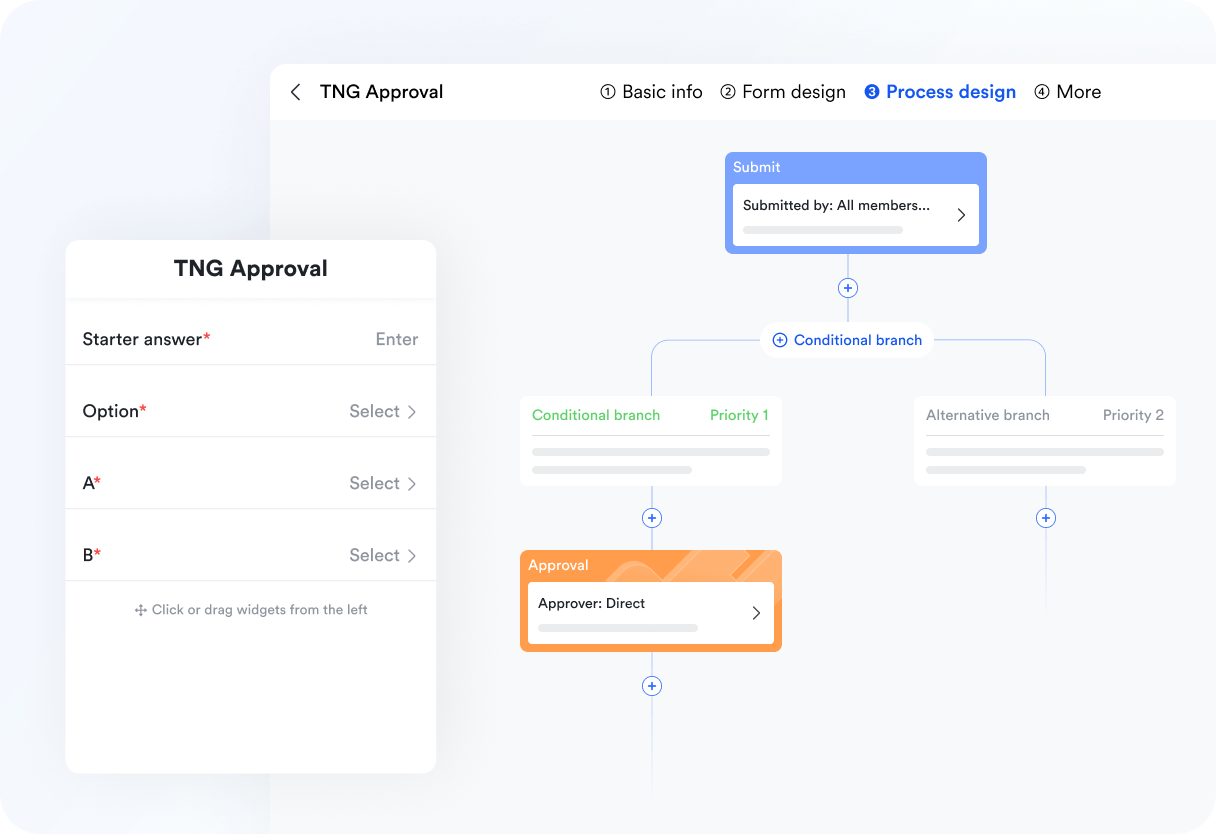
Automating and optimizing processes such as operations, customer service, and supply chains can increase speed, reduce costs, and enhance the overall experience. Many businesses choose to implement this through pilot initiatives—testing on a smaller scale, measuring effectiveness, and then scaling up.
3.3 People and Culture as the Decisive Factors
People and organizational culture play a critical role in digital transformation. The “mindset” and digital culture of both leaders and employees ultimately determine the success of the entire process. Many businesses struggle not because of a lack of technology, but due to limited digital skills, resistance to change, or a continued reliance on traditional ways of working.
Therefore, digital transformation requires an environment that encourages experimentation, accepts fast failure as a way to learn, and promotes cross-functional collaboration. An organization can only truly transform when its people are willing to change how they work and embrace new ways of thinking.
3.4 Data as a Strategic Asset
In the digital era, data has become a “strategic asset” that enables businesses to understand customers, predict demand, and personalize experiences. Unlike in the past, decisions are no longer based on intuition, but on real-time data analysis.
To achieve this, businesses need to establish strong data governance systems, define clear KPIs, and continuously track transformation performance. At a more advanced level, combining data with AI can help uncover new market opportunities and enable breakthrough business models.
In practice, companies like Amazon, Google, and Alibaba have gained significant competitive advantages largely due to their ability to collect, analyze, and leverage data at scale.
4. Why Has Digital Transformation Become an Inevitable Trend?
Digital transformation is no longer a “nice-to-have” option—it has become a necessity for businesses to survive and grow in today’s environment. This shift is not happening randomly, but is driven by three key forces:
4.1 The Advancement of Technology
In recent years, the rapid rise of technologies such as AI, cloud computing, Big Data, and IoT has fundamentally changed how businesses approach digital transformation. In the past, building technology systems required significant investment and long implementation timelines. Today, cloud platforms and digital services enable businesses to deploy faster, operate more flexibly, and significantly reduce costs.
Notably, technology is no longer an advantage exclusive to large corporations. Small and medium-sized enterprises can now access powerful tools for data analytics, operational automation, and personalized customer experiences. This makes digital transformation more accessible—but also creates pressure to move faster in order to stay competitive.
4.2 Changing Customer Behavior
The advancement of technology has led to major shifts in customer behavior and expectations. Today’s consumers are accustomed to online shopping, digital payments, and on-demand services that are fast and convenient.
As a result, they expect businesses to deliver faster, more seamless, and more personalized experiences across every touchpoint. Customers no longer compare companies within the same industry—they compare them to the best experiences they have ever had (such as those provided by leading tech platforms).
Therefore, if businesses fail to adapt, the gap between customer expectations and their actual capabilities will continue to widen, ultimately leading to customer loss to more agile competitors.
4.3 Competition from Technology Companies
One of the greatest pressures comes from the rise of technology companies and startups—organizations capable of disrupting traditional industries. Unlike long-established businesses, these companies often build their models on digital foundations from the start, allowing them to operate more flexibly and scale rapidly.
This trend is evident in the growth of Fintech in finance, Proptech in real estate, and Healthtech in healthcare. These models not only improve customer experience but also redefine how entire industries operate.
In this context, traditional businesses that fail to transform in time risk falling behind, losing market share, and weakening their competitive position. In contrast, those that proactively embrace digital transformation can leverage technology to restructure and break through within their own industries.
Read more: Digital Transformation Trends 2026–2030: What Should Businesses Prepare to Stay Ahead?
5. How Should Businesses Start Digital Transformation?
Understanding digital transformation is only the first step. The bigger challenge for many businesses lies in the question: where to begin and how to implement it in a way that delivers real value.
In practice, many digital transformation projects fail not due to a lack of technology, but because of the absence of a comprehensive strategy. Businesses often deploy tools such as CRM, ERP, or automation solutions in isolation, expecting efficiency gains. However, without a unified architecture, these systems become fragmented “pieces” that struggle to create sustainable competitive advantages.
To transform effectively, businesses need to take a strategy-to-execution approach, rather than starting with tools. This includes clearly defining business objectives, assessing current operations, and then designing a suitable roadmap with phased and controlled implementation.
At UpBase, we support businesses in implementing digital transformation in a practical, flexible, and results-driven way through an all-in-one platform that integrates end-to-end operational processes. Our solutions help businesses:
- Standardize and optimize operational workflows
- Centralize business data management
- Enhance efficiency and decision-making capabilities
As a result, businesses can transition to a data-driven operating model, building a strong foundation for sustainable long-term growth.

6. FAQs
.jpg)


.svg)

.svg)