Social Commerce from A–Z: Popular Types of Social Commerce in Vietnam

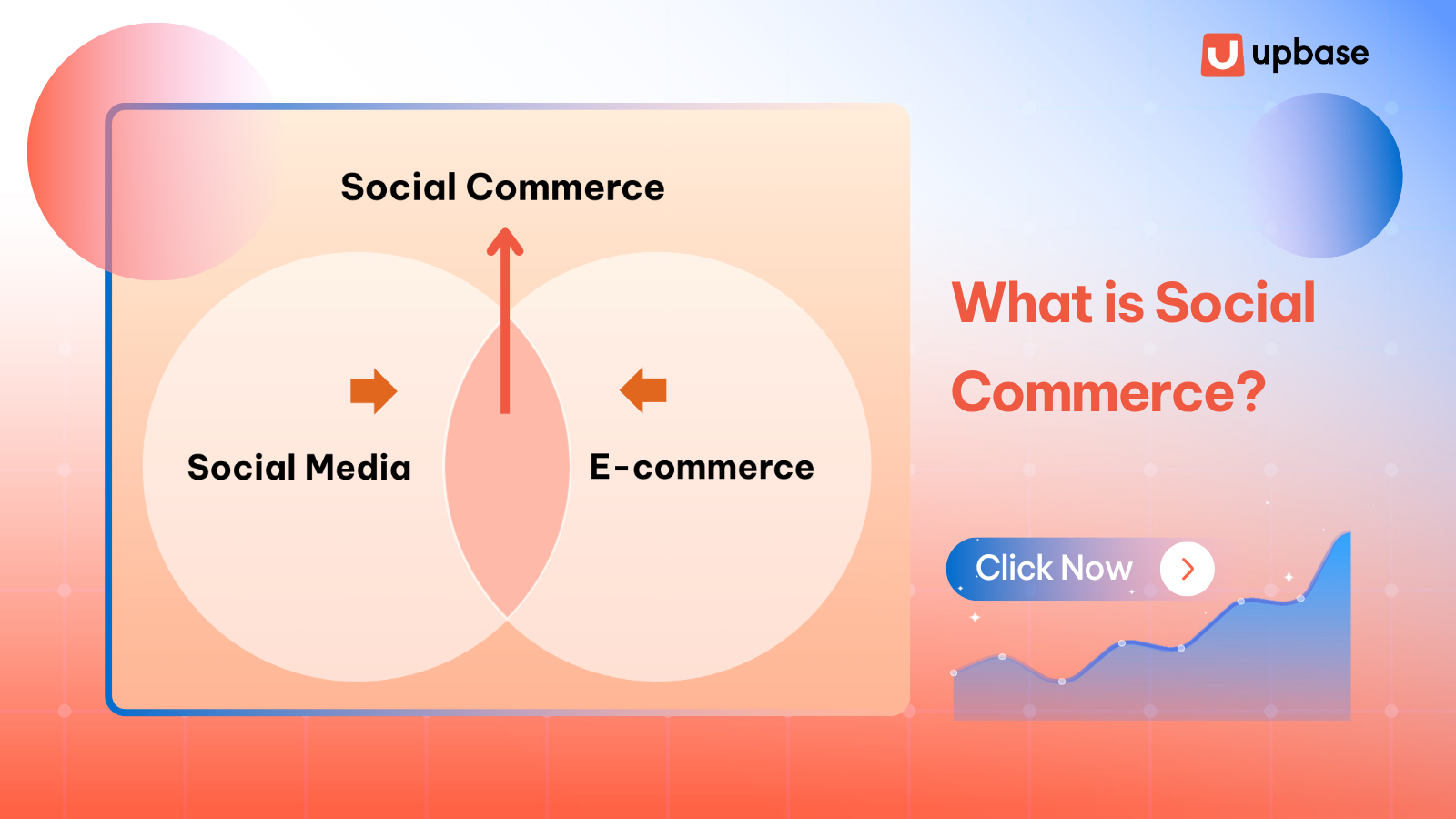
In recent years, the line between “entertainment” and “shopping” has almost disappeared. Users no longer go to eCommerce platforms just to search for products, they make purchases while casually scrolling through their feeds. From livestream sessions closing thousands of orders to viral videos that can cause products to sell out within hours, Social Commerce is redefining the entire consumer shopping journey.
So, what exactly is Social Commerce? Why has it grown so rapidly in Vietnam and globally? And how can businesses leverage this trend to optimize conversions and achieve sustainable growth?
1. What is Social Commerce?
Social Commerce is a form of online selling that seamlessly integrates social media and eCommerce. Instead of simply promoting products and redirecting users to a separate sales channel (as in traditional eCommerce), Social Commerce allows customers to discover, interact with, and purchase products directly on social media platforms such as Facebook, Instagram, and TikTok - without needing to switch to a website or marketplace.
Unlike using social media purely for marketing, Social Commerce transforms it into a fully functional sales channel.

Unlike traditional eCommerce, Social Commerce emphasizes social interaction, virality, and entertainment (shoppertainment). It is also important to distinguish it from social selling - a sales strategy that leverages social media to engage and nurture customer relationships (where salespeople build personal credibility and provide personalized consultation).
Social selling focuses on individual relationships and delivering value (through content and consultation) via social media, whereas Social Commerce focuses on enabling the entire purchasing process directly on social platforms. In other words, Social Commerce is an extension of eCommerce integrated into social media, while social selling is a marketing and sales strategy that utilizes social media.
You may be interested in: Social Commerce vs eCommerce: How do these two models differ?
2. The rise of Social Commerce and growth opportunities for businesses
Social Commerce began to gain traction in the late 2010s, when social media platforms started integrating shopping features. China was a pioneer with WeChat and Taobao Live, followed by the US and Europe with Facebook Marketplace (2016), Instagram Checkout, and more recently, TikTok Shop.
Since 2020, the COVID-19 pandemic has accelerated digital transformation and fueled demand for online shopping combined with entertainment—“shoppertainment”—leading to the global boom of Social Commerce.
Globally, Social Commerce revenue is projected to reach $2.11 trillion by 2026 and grow to $7.55 trillion by 2031, with a compound annual growth rate (CAGR) of over 29%. Deloitte estimates that 50% of consumers have made purchases via social media, with the market reaching approximately $2 trillion by 2025. Asia accounts for nearly half of this growth.
Specifically, Southeast Asia (SEA) is one of the fastest-growing regions, with TikTok Shop leading the trend. According to Momentum Works, SEA’s eCommerce market is expected to reach around $263 billion (2020–2025), with 30–40% of TikTok Shop SEA’s GMV coming from livestream sales.

In Vietnam, Social Commerce is booming alongside eCommerce. In 2024, Vietnam’s eCommerce market reached $25 billion (up 25%) - the highest in ASEAN - and is projected to exceed $30 billion by 2025. Notably, Video Commerce(livestream + shoppable video) accounts for 25% of total eCommerce GMV.
According to a NielsenIQ 2025 report, more than 62% of Vietnamese consumers shop on social media at least once per month, with Gen Z accounting for around 45%. Social platforms (TikTok, Facebook) generate 76% of shopping-related interactions, while Shopee and TikTok Shop hold approximately 56% and 41% market share, respectively, in Vietnam’s eCommerce landscape (2025).
Overall, the rise of “shoppertainment”, the convergence of entertainment and shopping has transformed the purchasing journey into a series of continuous “micro-moments” on social media. Consumers no longer actively search for products; instead, demand is often triggered spontaneously while watching videos, livestreams, or content shared by friends.
Highly interactive environments (communities, livestreams, KOLs) create strong purchase incentives. According to RetailAsia (Oct 2025), TikTok has 460 million monthly users in Southeast Asia, with Vietnamese users spending an average of 41 hours per month on the platform. This creates ideal conditions for Social Commerce to thrive: a young user base, high online engagement, and a strong tendency toward impulse buying.
This means that competitive advantage no longer lies in simply “being present on social media,” but in how effectively businesses leverage Social Commerce. Companies that move early by building consistent content systems, optimizing in-platform purchasing experiences, and synchronizing omnichannel operations will gain a clear edge in growth, especially as consumer behavior becomes increasingly spontaneous and fragmented.
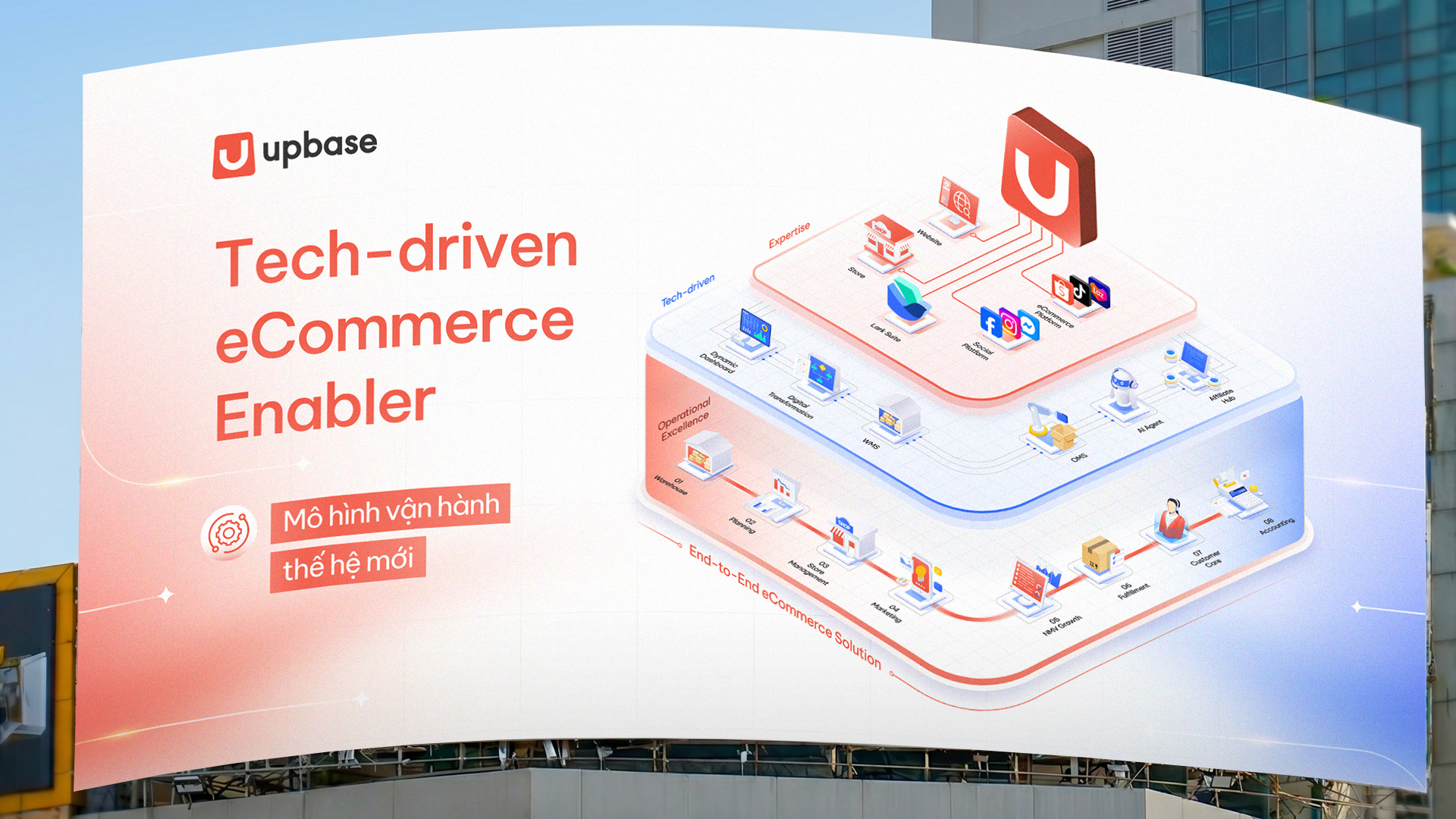
With years of experience in eCommerce, UpBase provides end-to-end operational solutions that enable businesses not only to execute Social Commerce effectively, but also to build a foundation for sustainable long-term growth.
3. Why is Social Commerce booming?
The rapid growth of Social Commerce is not a coincidence, but the result of multiple factors converging at once, from shifts in consumer behavior and advancements in platform technology to increasing competition in the digital landscape. Together, these factors have driven a major transformation in how people discover and purchase products:
- Changing consumer behavior: Vietnam has a young population (70% under 35), high smartphone penetration (85%), and increasing online spending (around $400 per person per year on average). Users prefer short, engaging, and shareable content. According to NielsenIQ (2025), 62% of consumers shop on social media monthly, reflecting a growing “see-and-buy” (impulse purchase) behavior. Social media is no longer just a discovery channel, it has become a new digital retail touchpoint, where users can be inspired and purchase instantly without actively searching.
- Content becomes the “point of sale”: The concept of shoppertainment seamlessly integrates entertainment and transactions. Users consume videos and livestreams for leisure, but when content is infused with products or promotions, they can instantly convert into buyers. For example, in Southeast Asia, 78% of TikTok livestream viewers engage or make purchases. In Vietnam, TikTok also has the highest average usage time (41 hours/month), increasing the likelihood of product discovery and purchase decisions.
- Interactivity and trust: Two-way interactions (chat, comments, livestreams) build trust more effectively than static advertising. Customers can directly engage with sellers or KOLs, ask questions, and see real-time community feedback (social proof), creating a more authentic experience. According to Feedforce, livestreams combined with FOMO (fear of missing out) and social influence strongly drive impulsive purchasing behavior.
- Supporting ecosystem: Social platforms have developed integrated commerce features such as Facebook/Instagram Shops, TikTok Shop, live commerce, and e-wallet payments. For instance, Facebook Shops and Instagram Checkout enable in-app purchases. Meanwhile, marketplaces like Shopee and Lazada have also added livestreaming, one-click checkout, and KOL integration. Governments are accelerating digital commerce adoption through infrastructure and supportive policies, while payment systems and logistics continue to improve (faster delivery, secure online payments).
In summary, Social Commerce is booming because it satisfies users’ needs for entertainment, connection, and personalization, while offering businesses access to new customers and attractive profit potential. Industry reports show that Social Commerce often achieves higher conversion rates (around +30%) compared to eCommerce. Its inherent virality, driven by community sharing also supports sustainable revenue growth, as brands investing in engaging content tend to see higher repeat purchase rates compared to purely discount-driven strategies.
4. How does Social Commerce work?
Social Commerce is not simply “selling on social media”, it is a distinct commerce model with characteristics that differ significantly from traditional eCommerce. It operates by integrating the entire purchasing journey directly within social platforms.
A typical process looks like this: a shopper comes across a video, sponsored post, livestream, or product-tagged content while browsing. These formats are usually shoppable, meaning they include a “Buy” button or direct purchase link. When interested, users can click “Add to cart” or interact with the seller through comments or messages. Payment can then be completed directly within the app (in-app checkout).
In livestream models, customers can watch products in real time, ask questions during the session, and receive instant consultation from sellers or influencers. Purchase links are often provided directly within the livestream. The key difference here is the absence of any “friction” between discovery and purchase - everything happens seamlessly in one flow.
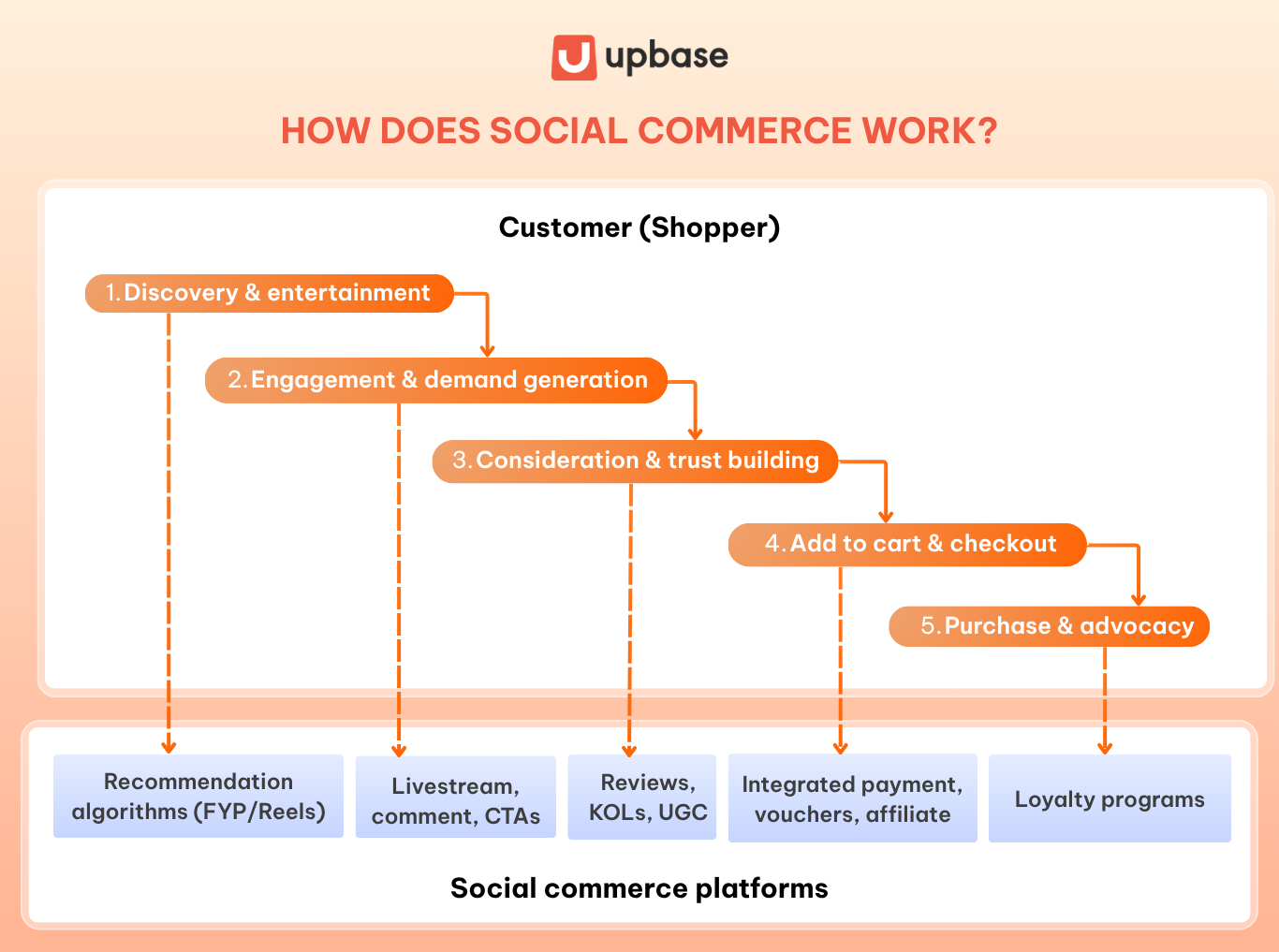
However, behind Social Commerce lies more than just viral content or high-converting livestreams, it requires a relatively complex operational system. Businesses must handle orders from multiple channels such as TikTok, Facebook, Instagram, and livestream sessions, while ensuring real-time inventory synchronization and managing fragmented customer data across platforms.
Without a well-structured management system, companies can easily face issues such as order processing errors, customer data loss, and especially difficulty scaling when sales grow rapidly. The challenge of Social Commerce is not in “making sales,” but in building a stable backend operation that supports long-term growth. Therefore, establishing a professional operational system from the beginning is critical to fully leveraging the advantages of Social Commerce.
5. Popular Types of Social Commerce
Social Commerce is not a single model—it encompasses multiple formats, depending on how content, platforms, and user behavior are combined. Understanding these types helps businesses choose the right strategy based on their products and resources. The Social Commerce ecosystem is highly diverse:
Social Marketplace
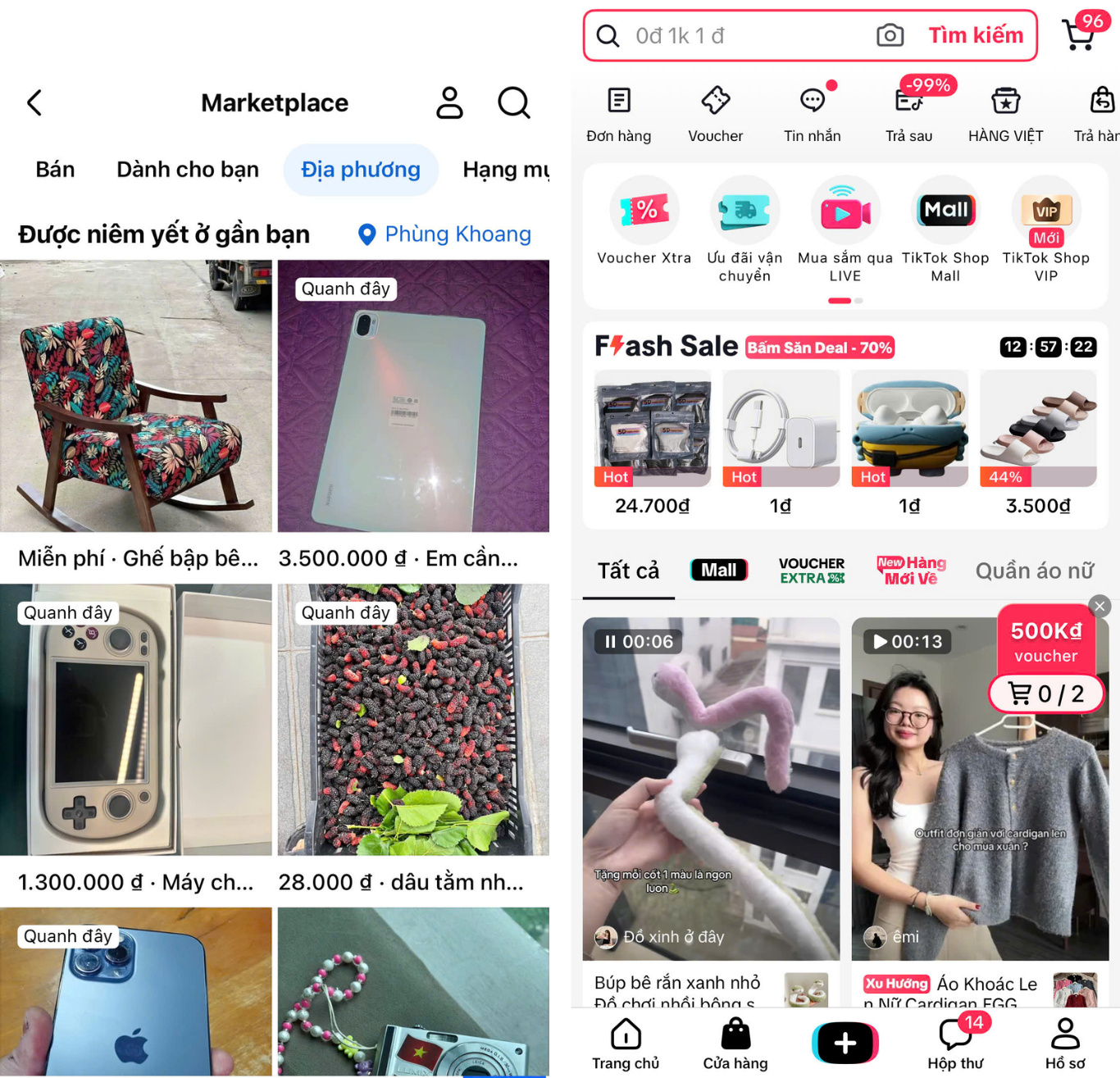
This is the most common format, where platforms such as Facebook Marketplace, Instagram Shop, or TikTok Shop allow businesses to create storefronts and sell directly on social media. Its key advantage is a seamless shopping experience, strong scalability, and access to large built-in traffic from the platforms. However, businesses are often dependent on platform algorithms and policies, while high competition makes differentiation more challenging.
Livestream Commerce
Livestream Commerce involves selling through live broadcasts on platforms like Facebook Live, TikTok Live, Shopee Live, or Lazada Live. Sellers or KOLs showcase products, provide real-time consultation, and interact directly with viewers, while customers can place orders during the livestream. This model excels at building trust quickly, increasing conversion rates, and driving purchase decisions through real-time urgency (FOMO). However, it requires significant resources (people, scripting, operations) and can be difficult to sustain without a clear content strategy.

Community-driven Commerce
This model leverages Facebook Groups, Zalo communities, or online forums where users share common interests (e.g., beauty, parenting, handmade products). Businesses engage these communities by sharing products, reviews, and promotions.
The main advantage is strong trust and high engagement. However, scaling is often difficult, and effectiveness depends heavily on community activity and credibility.

Influencer/KOL Commerce
This model involves collaborating with KOLs/KOCs to promote products through videos, livestreams, or posts. Influencers leverage their personal credibility to drive purchasing behavior, often using affiliate links or discount codes for tracking performance.
It enables brands to quickly reach the right audience and enhance trust. However, collaboration costs can be high, and effectiveness depends heavily on the fit between the influencer and the brand.

Chat Commerce (Conversational Commerce)
Chat Commerce uses messaging channels such as Facebook Messenger, Zalo OA, Instagram DM, or WhatsApp to sell products. Customers receive one-on-one consultation and can make purchase decisions directly within the conversation.
This model offers high personalization and works well for products requiring detailed consultation (e.g., cosmetics, pharmaceuticals). However, without support systems (chatbots, CRM), it is difficult to scale and can overload operations teams.

Shoppable Posts
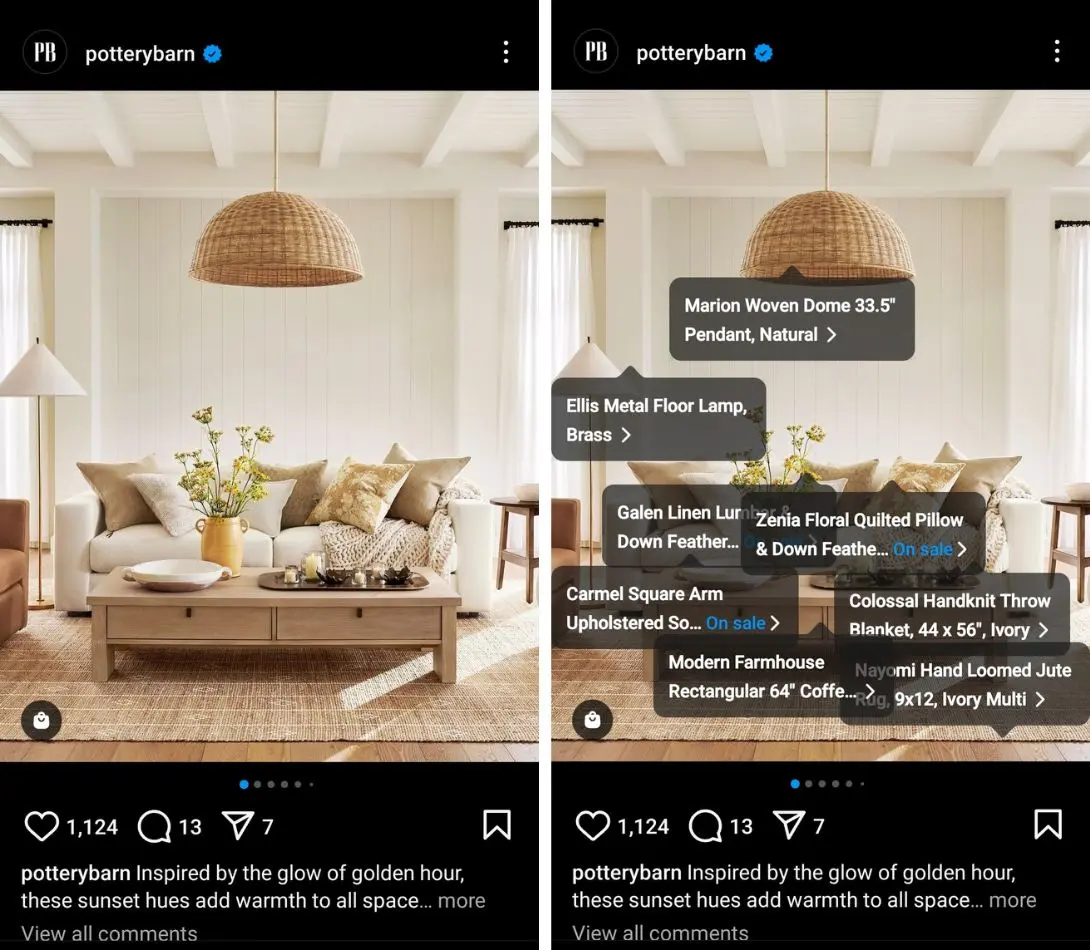
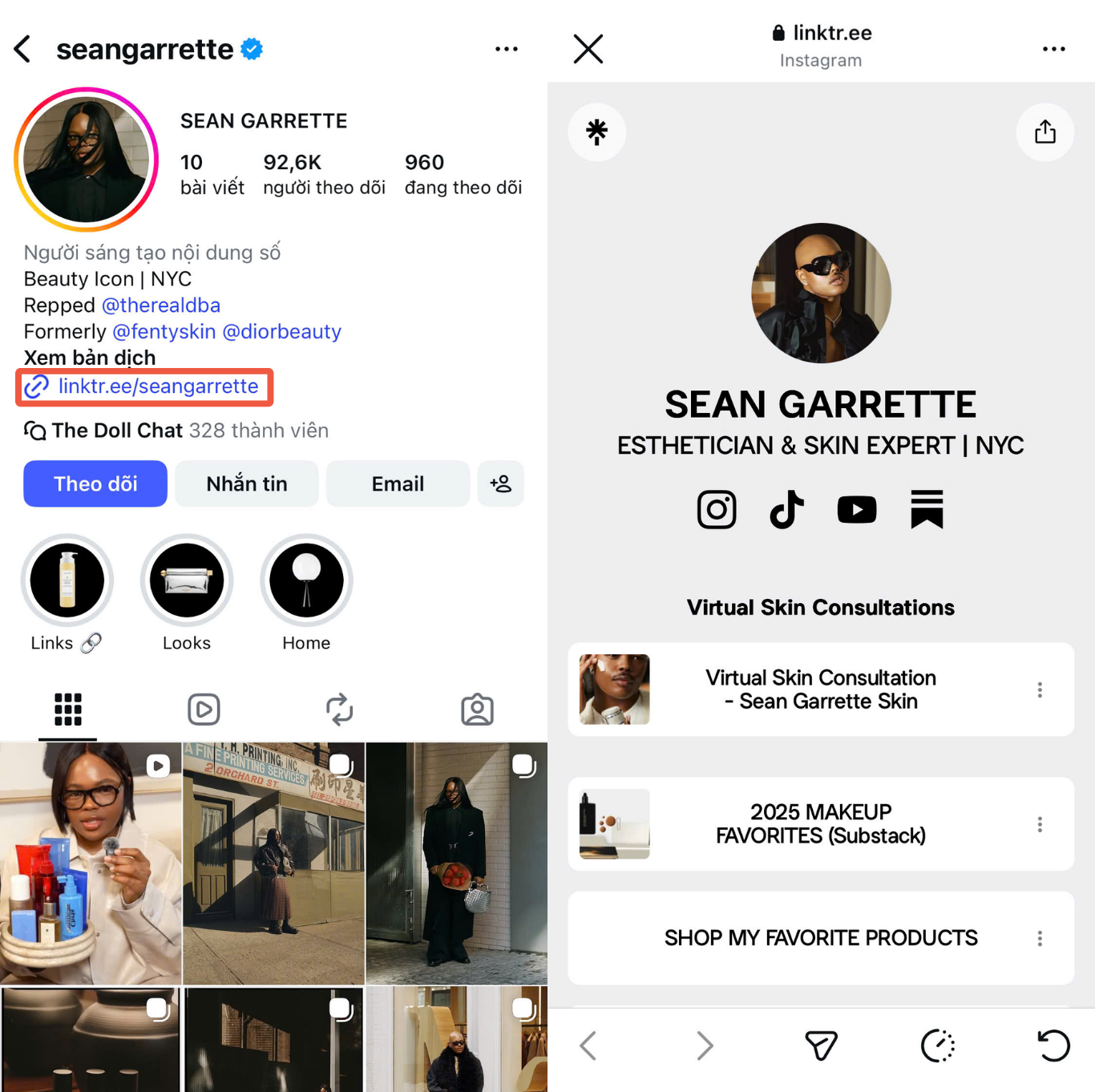
Shoppable Posts are posts or videos with product tags that allow users to click and purchase instantly. This format is popular on Instagram Shopping, TikTok Shopping, and Pinterest.
Its strength lies in seamless integration with content, shortening the purchase journey and improving conversion rates. However, performance heavily depends on content quality and visual appeal.
Social Referral (Affiliate)
In this model, customers or KOLs share products via personalized links to earn commissions or incentives. Affiliate marketing helps brands expand reach and leverage user networks for organic distribution at a lower cost than traditional advertising.
However, businesses need control mechanisms to ensure content quality and avoid spam or negative brand impact.
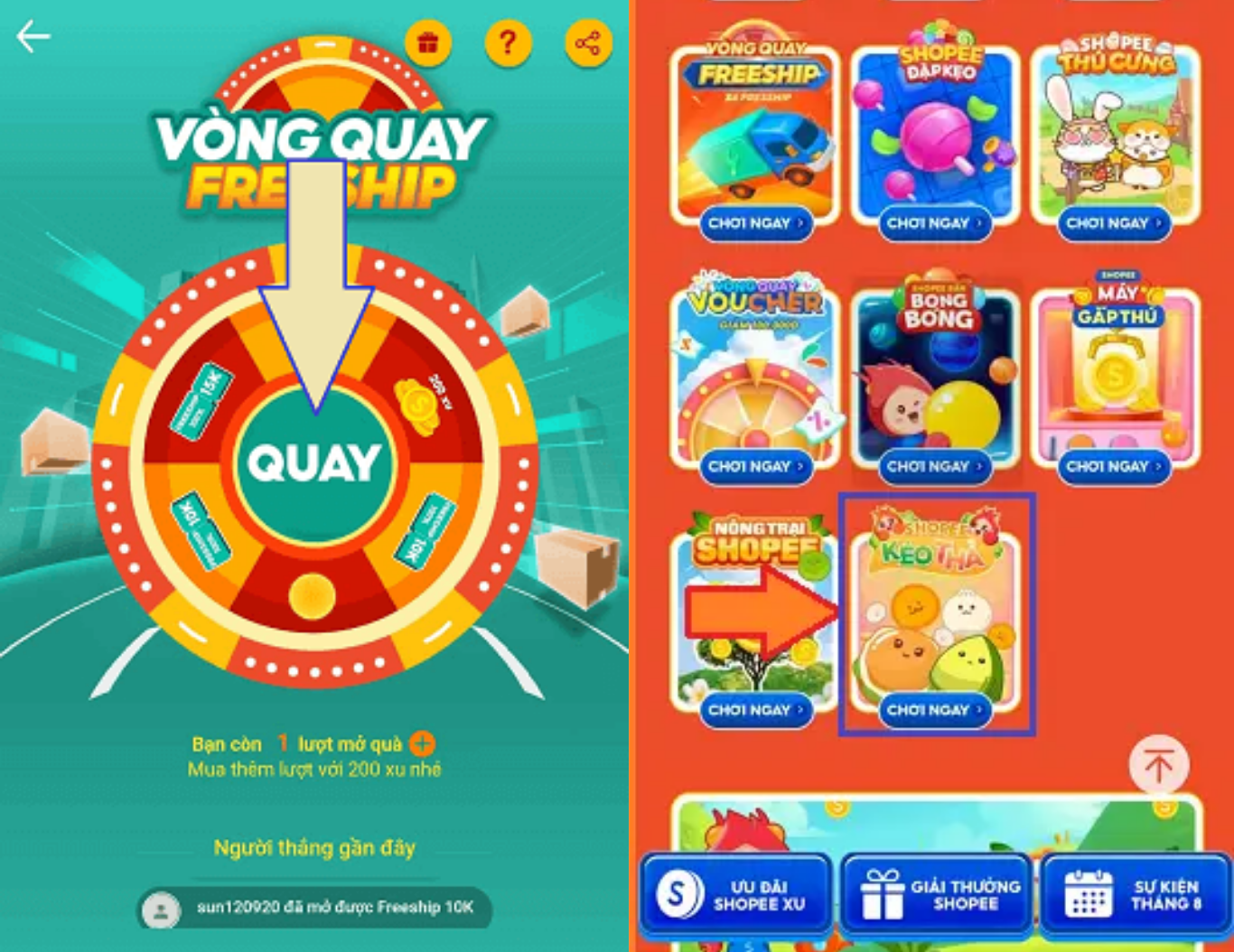
Gamification / Mini-games
Gamification integrates game-like elements such as mini-games, lucky draws, hashtag challenges, or livestream giveaways to boost engagement and drive purchases. It is effective in increasing excitement, engagement, and virality on social media. However, if overused or poorly executed, it may only generate short-term engagement without long-term value.
In summary, these Social Commerce models rarely operate in isolation—they are often combined to maximize effectiveness. However, deploying multiple models simultaneously also increases operational complexity, particularly in managing orders, customer data, and sales performance.
6. Benefits of Social Commerce for Businesses
Social Commerce not only provides a new sales channel but also creates significant competitive advantages for businesses in a rapidly changing consumer and business landscape. When implemented effectively, it can become a key growth driver.
- Broad reach and precise targeting: Social media platforms attract tens of millions of users in Vietnam (Facebook ~76.2M, TikTok ~40.9M, YouTube ~62.3M, Zalo ~78.3M active users), enabling businesses to reach a large pool of potential customers at a relatively low cost. These platforms also support highly targeted advertising based on demographics and purchasing behavior. Small businesses can set up shops directly on social media without heavy investment in websites or physical stores.
- Higher engagement and trust: Social Commerce enables direct interaction through messages, comments, and livestreams—helping customers feel more connected. They can read reviews and share experiences directly on posts. Transparency (seller interactions, UGC, endorsements from KOLs/KOCs) enhances credibility. According to VinUni, Social Commerce increases both engagement and trust compared to traditional channels.
- Faster and more convenient shopping: Seamless in-platform purchasing shortens the buying cycle. Customers can “buy now” or “add to cart” with just a few steps. Features such as instant chat consultation, livestream product demos, and QR code payments help accelerate decision-making. Many Vietnamese businesses benefit from livestream selling, with high conversion rates (often over 35–40% for beauty products).
- Cost-effective marketing: Compared to traditional advertising, Social Commerce is more cost-efficient and effective. Viral content and influencer marketing allow brands to spread organically. Businesses mainly need to focus on engaging content, while platform algorithms distribute it to high-potential audiences. About 57% of Vietnamese businesses consider this channel a “core driver” for sustainable sales, reducing reliance on expensive paid ads.
- Personalization and data optimization: Social platforms collect user behavior data (likes, shares, searches) to recommend relevant products. Businesses benefit from personalized advertising, reaching customers with the right products at the right time. Direct interactions through chat also provide real-time feedback data to optimize campaigns.
- Stronger brand presence and community building: Social Commerce helps brands build loyal communities. When sales are combined with community value (authentic reviews, entertaining livestreams, knowledge sharing), users not only purchase but also follow and advocate for the brand.
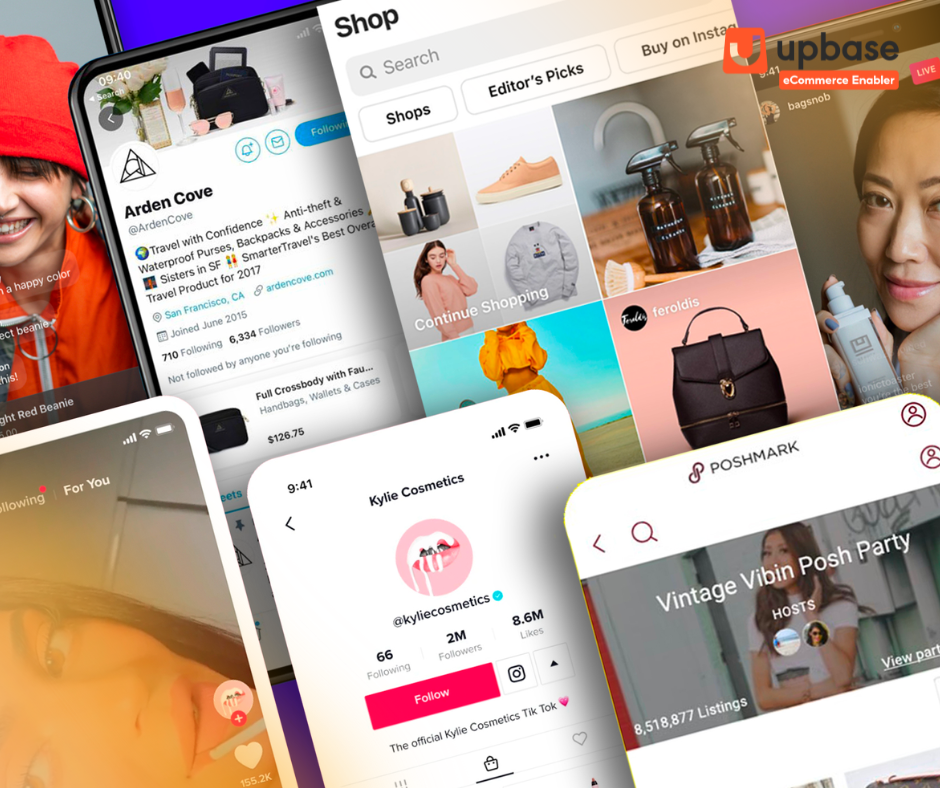
In summary, Social Commerce enables businesses to expand market reach, improve conversion rates, and reduce marketing costs, while building a richer brand presence and leveraging community-driven growth. These advantages are particularly well-suited for the flexible and agile business models of SMEs in Vietnam’s digital era.
7. Social Commerce Platforms in Vietnam
In Vietnam, Social Commerce is thriving thanks to the widespread adoption of social media platforms and the increasing integration of shopping features. These platforms can be categorized into three main groups based on how Social Commerce is implemented:
- Social-first platforms (social media with integrated commerce): Social media platforms such as Facebook, Instagram, and TikTok play a central role in Vietnam’s Social Commerce ecosystem. These platforms allow businesses not only to reach customers through content but also to integrate shopping features such as storefronts, livestream selling, and shoppable videos.
Their key strength lies in the ability to create demand through content and interaction, making them ideal for discovery-based buying behavior. Among them, TikTok stands out for its powerful content distribution, while Facebook maintains an advantage in community-building and a broad user base.
- Commerce-first platforms (eCommerce platforms with social features): In addition to social networks, eCommerce platforms such as Shopee, Lazada, and Tiki are increasingly integrating social elements into their ecosystems. Features like livestreams, content feeds, and interactive reviews are transforming the shopping experience from “search-driven” to “discovery-driven.”
These platforms have a strong advantage in end-to-end operational systems, including logistics, payments, and order management. As a result, they act as a bridge between Social Commerce and traditional eCommerce—allowing businesses to attract customers through content while ensuring scalability in order fulfillment.
- Conversational & community platforms: Messaging and community platforms such as Zalo, Facebook Messenger, and online groups play a key role in facilitating interaction and closing sales in Social Commerce. Unlike content-driven platforms, this group focuses on direct communication between businesses and customers through messages or interest-based communities.
This enables a more personalized shopping experience and helps build long-term customer relationships. However, operations on these platforms often rely heavily on manual resources if not supported by appropriate systems (e.g., chatbots, CRM).
8. Technology and Operations in Social Commerce in Vietnam
To implement Social Commerce effectively, businesses need to build a technology ecosystem that connects multiple components:
- Payments: Mobile payment systems (e-wallets, online banking) are integrated directly within apps. In Vietnam, commonly used solutions include MoMo, VNPay, ZaloPay, and credit card payments through integrated checkout pages. Platforms like Facebook and TikTok also support in-app payments (e.g., Facebook Pay) and e-wallet integration.
- Logistics: Systems are typically connected with delivery providers (e.g., Giao Hàng Nhanh, Viettel Post, GHN, etc.) to process orders. While eCommerce platforms often provide built-in warehousing and logistics, independent sellers need CRM/ERP systems integrated with third-party logistics providers. APIs from platforms like Shopee and Tiki allow for real-time order synchronization.
- CRM / Sales Management: Businesses deploy CRM systems or omnichannel management tools to manage customer data, post-sales care, and personalized interactions (e.g., remarketing). Chatbots (such as Facebook Messenger Bots or Zalo Chatbots) are also essential for handling inquiries quickly and supporting order placement or delivery scheduling.
- Analytics & Data: Tools like Facebook Pixel, Google Analytics, and TikTok Pixel are used to track traffic and measure conversion performance on social platforms. Combined dashboards help aggregate key KPIs (GMV, CR, ROI, CAC) across all channels for better decision-making.

In addition, other advanced technologies are increasingly being adopted in Social Commerce. Artificial Intelligence (AI) is used to analyze user behavior data, enabling highly personalized product recommendations that help improve conversion rates. In parallel, some businesses are beginning to apply Blockchain or advanced barcode systems to enhance transparency in product origins, thereby reducing counterfeit risks and strengthening consumer trust. Furthermore, technologies related to video and interactive experiences, such as AR/VR, are gradually emerging, allowing users to “try” products in virtual environments and enhancing the overall digital shopping experience.

9. Legal Regulations Related to Social Commerce in Vietnam
Social Commerce in Vietnam does not exist as a “separate category” but is governed by the broader legal framework covering eCommerce, advertising, taxation, and digital content management. In recent years, this framework has been tightened to keep pace with the market’s rapid growth.
- E-Commerce Law (Amended): The draft E-Commerce Law 2025 introduces stricter responsibilities for all parties involved. Platforms are required to verify sellers, moderate commercial content, and store transaction data. For livestream selling, sellers must provide documentation proving product quality, and hosts must not present misleading information. The law also proposes mandatory digital identification and stricter enforcement against violations, particularly false advertising. Requirements for foreign platforms (e.g., establishing representative offices in Vietnam) are also under discussion.
- Advertising Law (Amended 2025): New regulations on digital advertising have been introduced. For the first time, the law defines “advertising transmitters” (influencers, KOLs) as legally accountable entities, similar to businesses. Influencers must clearly disclose sponsored content, verify product authenticity, and may face criminal penalties if they intentionally promote false claims. Cross-border advertising companies (e.g., Facebook, TikTok Ads) are required to register, declare, and pay taxes in Vietnam. This means Social Commerce must comply strictly: KOLs and sellers are required to register their businesses and take responsibility for consumer protection—failure to do so may result in fines or even imprisonment in cases of fraud.
- Other regulations: Additional laws, such as the Law on Consumer Protection (2010) and eCommerce-related decrees, require transparency in product information and guarantee return/refund rights. For example, promotional campaigns must clearly state return policies and terms. Regulations on personal data protection (under information security and technology laws) are also critical, given the large volume of user data collected by social platforms.
Overall, the Vietnamese government is strengthening the regulation of Social Commerce—from seller identification and livestream moderation to enforcing KOL accountability under advertising law. Businesses must ensure compliance by properly registering, providing accurate product information, maintaining transparency in promotions, and protecting consumer rights.
With years of experience in eCommerce, UpBase not only helps businesses build effective Social Commerce operations but also ensures compliance with current legal regulations—minimizing risks while optimizing long-term growth. Register for a consultation with UpBase to build a suitable Social Commerce strategy and establish a strong operational foundation from the start.
10. Future Trends of Social Commerce
Many experts predict that Social Commerce will continue to grow rapidly in Vietnam, especially given its young user base, content-driven consumption behavior, and increasingly mature platform ecosystems. Below are the key trends shaping the next phase:
- Video commerce and AI: Live commerce is on the rise, but in the long term, short-video commerce will dominate due to its advantages in storage, reusability, and data optimization. Platforms like TikTok and Instagram Reels have demonstrated the strong power of short-form videos in generating demand and driving purchases.
At the same time, AI will be deeply integrated into Social Commerce (personalized product recommendations based on behavior, chatbots and automated AI sales, livestreams supported by bots for order conversion, etc.). Social Commerce will shift from manual selling to data-driven intelligent selling.
- Omnichannel convergence: In the future, Social Commerce will not operate independently but will be integrated into a broader omnichannel ecosystem. The blending of online and offline experiences (digital showrooms, in-store AR experiences) will become more common. This requires businesses to synchronize their entire sales system rather than focusing on a single channel.
- Community-driven models: Consumer trust is increasingly shifting toward communities rather than traditional advertising. Specialized social platforms (groups, forums) will integrate shopping features to enhance community engagement. For example, Q&A apps (like Brainly) or forums (in markets such as Japan and Italy) are experimenting with direct shopping integration.
- Faster payments and logistics: Technology and operational infrastructure will be key growth drivers. With the development of 5G and blockchain, payments will become faster and more secure, while same-day (within 2 hours) delivery systems, even in rural areas, will enable instant purchase fulfillment.
- Stricter legal regulations: Rapid growth comes with tighter regulation. New laws such as the Advertising Law (2025) and E-Commerce Law (2026) will enforce greater transparency. Influencers and foreign platforms will be required to comply with stricter regulations, leading the market from “free growth” to controlled and sustainable growth.
- Cross-border expansion: Social Commerce will extend beyond domestic markets. Businesses will increasingly leverage it for international sales, supported by free trade agreements (FTAs) and cross-border logistics. The combination of Social Commerce and cross-border logistics will open up opportunities for market expansion at lower costs compared to traditional models.
In conclusion, Social Commerce is not just a new sales channel, it is redefining consumer behavior in the digital era. In Vietnam, with its young population, high social media usage, and rapid digital transformation, this represents a major opportunity for businesses to capture the online retail market.
However, success requires more than just “going viral” or following trends. Businesses need a comprehensive strategy, from investing in user experience and building sustainable brands to optimizing operations and ensuring legal compliance. Those who excel in these areas will lead the next wave of Social Commerce. Contact UpBase for expert consultation on end-to-end eCommerce operations solutions!
.jpg)

.svg)

.svg)